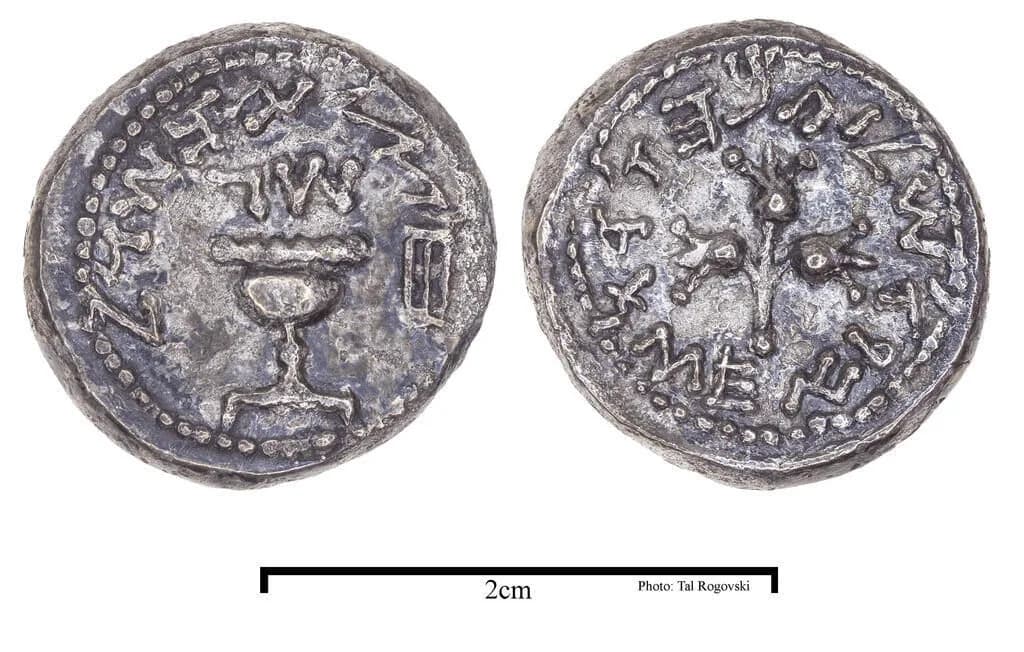
Physical silver and silver ETFs serve different purposes. One is a store of wealth. The other is a market bet. Here’s why the distinction matters for your portfolio.
Is Trading Silver the Same as Owning Silver?
Plenty of traders have made real money playing the silver futures market. Some have made fortunes. Others have been wiped out overnight. That’s the nature of leveraged speculation—it follows the same risk-reward profile as any other market bet. You’re timing entries, managing margin, hedging positions, and competing against institutional desks with faster data and deeper pockets.
Physical silver storage is something else entirely. When investors buy gold bars as a store of wealth, nobody confuses that with trading gold futures. The same distinction applies to silver. Buying physical silver and holding it is a passive, long-term wealth preservation strategy with a fundamentally different risk profile than speculative trading.
Leading institutional investors agree. Ray Dalio, founder of Bridgewater Associates (the world’s largest hedge fund), stated at the 2025 Greenwich Economic Forum that a well-diversified portfolio should hold approximately 15% in hard assets like gold, calling it the one asset class that performs well when credit-dependent holdings decline. Jeffrey Gundlach of DoubleLine Capital recommended a 10–25% precious metals allocation, framing it as essential portfolio insurance. Even JPMorgan CEO Jamie Dimon—historically skeptical of gold—conceded in October 2025 that holding some precious metals is rational in the current environment.
Sources: Fortune, October 2025 (Dalio); CNBC, September 2025 (Gundlach); Bloomberg, October 2025 (Dimon).
▸ Physical silver storage is a passive wealth preservation strategy.▸ Leading institutional investors recommend 10–15% portfolio allocation to precious metals.
What Do You Actually Own When You Buy a Silver ETF?
When you buy shares of a silver ETF, you do not own silver. You own a claim on a trust—an IOU—that passes through a chain of third parties, any one of which can fail. Between your brokerage account and any physical metal sit six layers of intermediaries: you (the shareholder), your broker, the ETF sponsor (e.g., BlackRock), the custodian (JPMorgan), potential sub-custodians, and the exchange settlement infrastructure.
The iShares Silver Trust (SLV) prospectus—filed with the SEC—makes this explicit. Individual shareholders cannot redeem shares for physical silver under any circumstances. Only “Authorized Participants” (large broker-dealers) can redeem in blocks of 50,000 shares. The prospectus further states that the sponsor does not exercise day-to-day oversight over the custodian. And the sole custodian? JPMorgan Chase—the same institution that paid $920.2 million to the CFTC in September 2020 for systematically manipulating precious metals markets over eight years. It is, quite literally, the fox guarding the henhouse.
This means ETF shareholders miss both unique qualities of silver as an asset. You don’t have a store of wealth—you have a financial claim subject to counterparty risk. And you have no exposure to physical silver’s industrial utility, which is what drives its real-world demand from solar manufacturers, electronics producers, and medical device companies. You effectively hold a derivative of silver’s price, not silver itself.
Sources: iShares Silver Trust prospectus (SEC filing); CFTC enforcement action, September 2020.
▸ ETF shareholders own trust shares, not physical silver.▸ Individual investors cannot redeem SLV shares for physical metal.
How Many Paper Claims Exist Per Ounce of Real Silver?
The disconnect between paper silver and physical silver is not theoretical—it is measurable. On the COMEX exchange, approximately 4 to 5 paper claims exist for every ounce of registered (deliverable) silver. As of February 2026, registered COMEX silver inventory has fallen below 100 million ounces—a 75% decline from 2021 levels and a 38% drop in just four months.
Meanwhile, demand for physical delivery has surged. Total COMEX silver deliveries doubled from 203 million ounces in 2024 to 474 million ounces in 2025. January 2026 deliveries reached 49.4 million ounces—7.27 times the January 2024 level. Traders are now rolling contracts backward to demand immediate delivery—the opposite of normal market behavior—signaling urgent physical demand.
When paper claims substantially exceed physical inventory, the most likely resolution is forced cash settlement. ETF holders would receive dollars at whatever price the exchange sets—not the real-world market value of the metal. If you own physical silver, this dynamic works in your favor. If you own paper, you’re exposed to it.
Sources: CME Group COMEX warehouse data; CoinWeek, February 2026; Investing.com structural deficit analysis.
▸ COMEX holds 4–5 paper claims per deliverable ounce of silver.▸ COMEX registered silver inventory fell 38% from October 2025 to February 2026.
What Did the January 2026 Silver Crash Reveal?
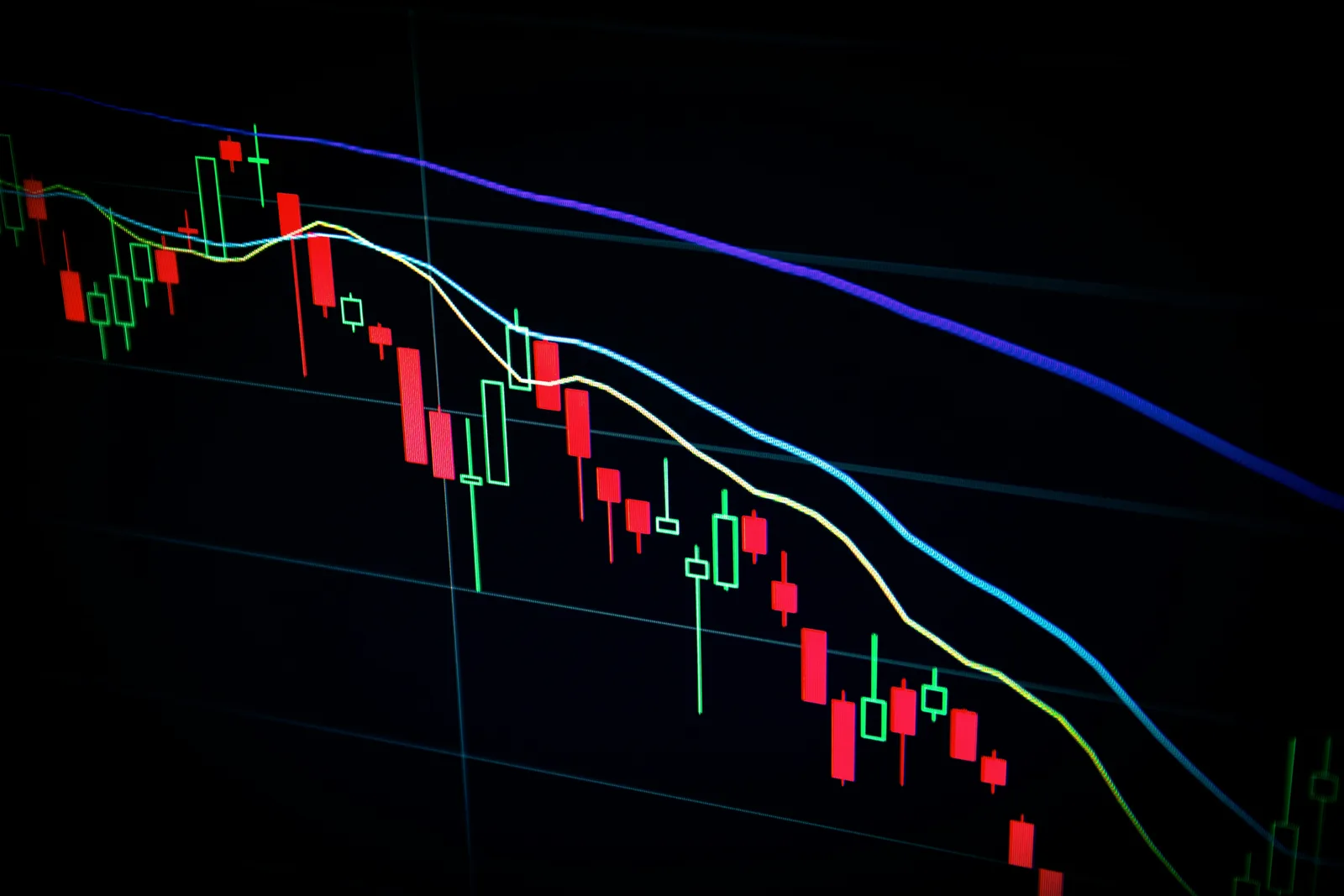
On January 30, 2026, silver futures fell approximately 31% in a single session—the worst single-day drop since 1980. The spot price collapsed from near $121 per ounce to below $75 within hours. A second wave on February 5 saw another 16% decline. As of mid-February 2026, silver trades around $77 per ounce.
The crash was widely attributed to cascading margin calls after the CME Group raised maintenance margins to 15%. But many market analysts believe the mechanics point to something more deliberate. Craig Hemke of Sprott Money noted that selling intensified during low-liquidity windows and option expiration—classic pressure points for metals markets. The five largest banks have collectively paid over $1.27 billion in fines for proven silver market manipulation, including JPMorgan’s $920 million settlement for eight years of spoofing.
Here is what’s revealing: while paper silver crashed 31%, physical premiums actually increased. Shanghai physical silver traded at premiums exceeding 50% over COMEX at the crash low. Silver lease rates—what borrowers pay to access physical metal—surged to approximately 8%, compared to a normal 0.3–0.5%. A 1 oz Canadian Silver Maple Leaf currently trades at approximately $87 on Bullion Brothers—a significant premium above the paper spot price.
This divergence is the clearest evidence that the paper market and the physical market are telling two different stories. If you held an ETF through the crash, your portfolio tracked the paper collapse. If you held physical silver, your metal retained its premium value.
Sources: CNBC, January 30, 2026; Bloomberg, February 2026; CFTC historical enforcement records; Bullion Brothers dealer pricing.
▸ Physical silver premiums increased during the January 2026 spot price crash.▸ Five major banks have paid over $1.27 billion in fines for silver market manipulation.
Is Physical Silver a Passive Investment?
One of the most underappreciated advantages of physical silver is its simplicity. You buy it. You store it. That’s it. There are no margin calls, no option expirations, no leveraged positions to manage, and no management fees compounding against your holdings year after year.
The ten-year track record speaks for itself. Silver started 2016 at approximately $14 per ounce. Even after the January 2026 correction, it trades around $77—a gain of roughly 450% over the decade. That performance has outpaced the S&P 500 (~236%), gold (~367%), and cumulative inflation (~37%) over the same period.
| Period | Silver Price (Spot) | Key Event |
| January 2016 | $13.80/oz | Post-bear market low |
| March 2020 | $12.12/oz | COVID crash (decade low) |
| May 2024 | $31.51/oz | First break above $30 since 2013 |
| September 2025 | $46.42/oz | New all-time COMEX high |
| January 29, 2026 | ~$121/oz | All-time nominal high |
| February 2026 | ~$77/oz | Post-crash stabilization |
ETFs and futures trading, by contrast, require actively understanding market dynamics—how to read open interest, how to hedge positions, how to manage leverage, and how to navigate the mechanics of contango and backwardation. Without substantial expertise and time, speculative silver trading can significantly increase your risk. The January 2026 crash wiped out leveraged long positions in hours. Physical holders were unaffected.
Sources: JM Bullion 10-year price history; Trading Economics; S&P Global Market Intelligence.
▸ Silver gained approximately 450% from January 2016 to February 2026.▸ Physical silver incurs zero ongoing management fees after purchase.
What Are the Advantages of Holding Physical Silver?
Physical silver gives you access to three things that no ETF or futures contract can replicate:
Real liquidity. Physical silver can be sold to dealers, through secondary markets, or peer-to-peer, on your timeline. It is recognized globally and does not depend on any exchange remaining open or any institution remaining solvent.
A genuine store of wealth. Like gold bars, physical silver is a tangible asset that has preserved purchasing power for over 5,000 years. It hedges inflation not because a financial model says so, but because it is a scarce resource with intrinsic value that cannot be printed or diluted.
Exposure to industrial demand. Silver is the most electrically conductive metal on Earth. Solar panel manufacturing consumed 232 million ounces in 2024 alone. EVs, 5G infrastructure, and medical devices all require silver. When you hold physical silver, you own a metal whose utility drives real-world demand—not a derivative that tracks a price someone else sets.
| Feature | Silver ETF (e.g., SLV) | Physical Silver |
| What you own | Trust shares (IOU) | The metal itself |
| Counterparty risk | Six intermediary layers | None |
| Annual fees | 0.50% (SLV) | Zero after purchase |
| Can you take delivery? | No (individuals) | You already have it |
| Affected by margin calls? | Yes | No |
| Reflects physical premiums? | No (tracks paper spot) | Yes |
| Industrial utility exposure | Indirect | Direct |
▸ Physical silver eliminates counterparty risk entirely.▸ Physical silver holders benefit from industrial demand premiums above spot price.